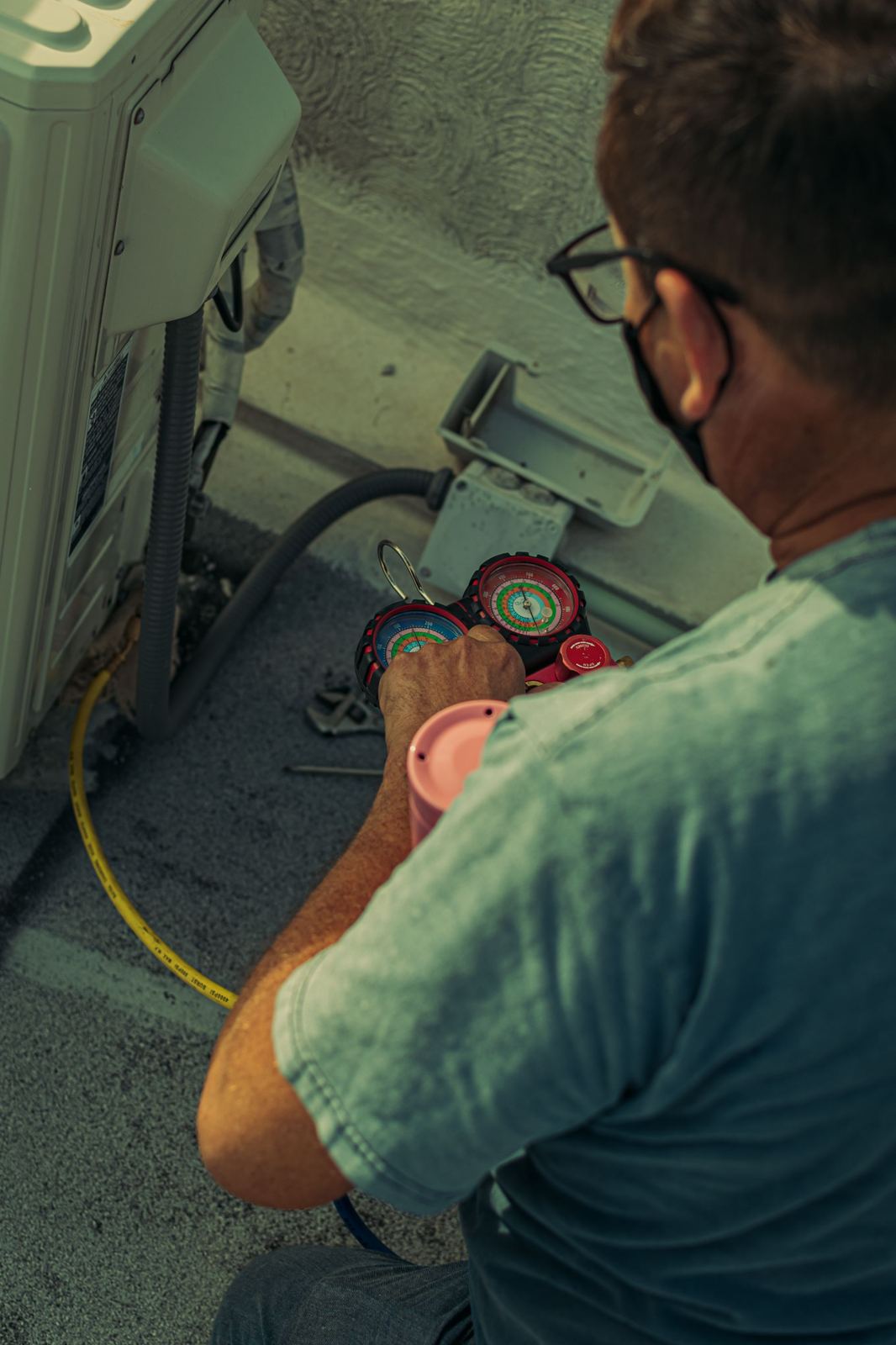
The Region's Most Trusted HVAC Experts
NATE-certified technicians. BBB A+ rated since 2010. Over 20 years of proven results. We don't just install HVAC systems — we set the standard for comfort.
Our Credentials
Not all contractors are equal. Here's what sets us apart — and why it matters for your home's comfort.
Trane Comfort Specialist Dealer
Factory-authorized dealer for Trane heating and cooling systems.
HVAC Demo is recognized as a participating Trane dealer, which means our team receives ongoing factory training on the equipment we install and service. Because we work directly with the manufacturer, Austin homeowners get access to current model information, matching system components, and manufacturer-backed warranty registration. It also means replacement parts and technical support are available when you need them, even during the peak summer cooling season.
BBB Accredited Business
Accredited by the Better Business Bureau and committed to its standards.
Accreditation with the Better Business Bureau reflects a commitment to honest advertising, transparent pricing, and responsive customer service. It gives Austin residents an independent place to review how a company handles questions, scheduling, and follow-up on completed work. We maintain that accreditation by addressing customer concerns directly and keeping our business practices straightforward.
Texas Licensed HVAC Contractor
Licensed to perform HVAC contracting work in the State of Texas.
HVAC work in Texas is regulated, and HVAC Demo operates as a licensed contractor under the applicable state licensing requirements. Hiring a licensed contractor protects you from improperly permitted or uninspected installations that can cause problems later at resale. License information is available upon request, and we are glad to provide it before work begins so you can verify our standing with the state.
NATE-Certified Technicians
Technicians certified through North American Technician Excellence.
NATE certification is an industry-recognized credential that requires technicians to pass rigorous testing on heating, cooling, and air distribution systems. It is not a one-time formality — certified technicians must recertify to stay current with equipment changes. For Austin customers, that means the person diagnosing your system understands how it should perform in our long, hot cooling season and can explain the findings in plain language.
EPA 608 Certified Refrigerant Handling
EPA Section 608 certified for safe refrigerant handling and recovery.
Refrigerant is regulated at the federal level, and our technicians hold EPA Section 608 certification to legally and safely handle it. This matters to Austin homeowners because improper refrigerant charging reduces efficiency and can shorten the life of a compressor. Certified handling means your system is charged to the manufacturer's specification and refrigerant is recovered and disposed of properly.
Written Parts & Labor Warranty
Workmanship warranty provided in writing with every installation.
Every installation we complete includes a written workmanship warranty in addition to the manufacturer's equipment coverage. Equipment warranties often cover the parts but not the labor to diagnose and replace them, which is where a workmanship warranty helps. If something related to our installation needs attention, you have a documented point of contact and a clear process to request service under warranty.
Flexible Financing Options
Payment plans available for repairs and full system replacements.
Air conditioning failures in Central Texas rarely happen at a convenient time, and a full system replacement is a significant expense. We offer financing options through third-party lending partners so qualified customers can spread the cost over time instead of paying the full amount upfront. Applications are handled through the lender, and our team can walk you through the available terms before you commit.
Insured & Background-Checked Team
Carrying general liability and workers' compensation coverage.
HVAC Demo maintains general liability and workers' compensation insurance so that homeowners are not exposed to liability if something is damaged or someone is injured on the job. Every technician who enters your home goes through a background check before being sent into the field. That combination gives Austin customers confidence that the person at the door has been vetted and that the company is properly covered.
Comprehensive HVAC Services
Residential, commercial, and emergency — every service backed by our credentials and warranty.
AC Installation & Replacement
Install a properly sized cooling system built for Austin's long, hot summers.
Read MoreAC Repair & Maintenance
Diagnose and fix cooling problems before they turn into a full summer breakdown.
Read MoreFurnace Repair & Heating Service
Keep your heating system ready for the cold fronts that do reach Central Texas.
Read MoreEmergency AC Repair
Get fast help when your cooling fails and Austin heat makes the space unsafe.
Read MoreDuctwork Replacement & Sealing
Fix leaky ducts so every room gets the comfort you are already paying for.
Read MoreHeat Pump Installation & Service
One efficient system for Austin's long cooling season and mild winters.
Read MoreCase Studies
Real projects with documented challenges, solutions, and outcomes.
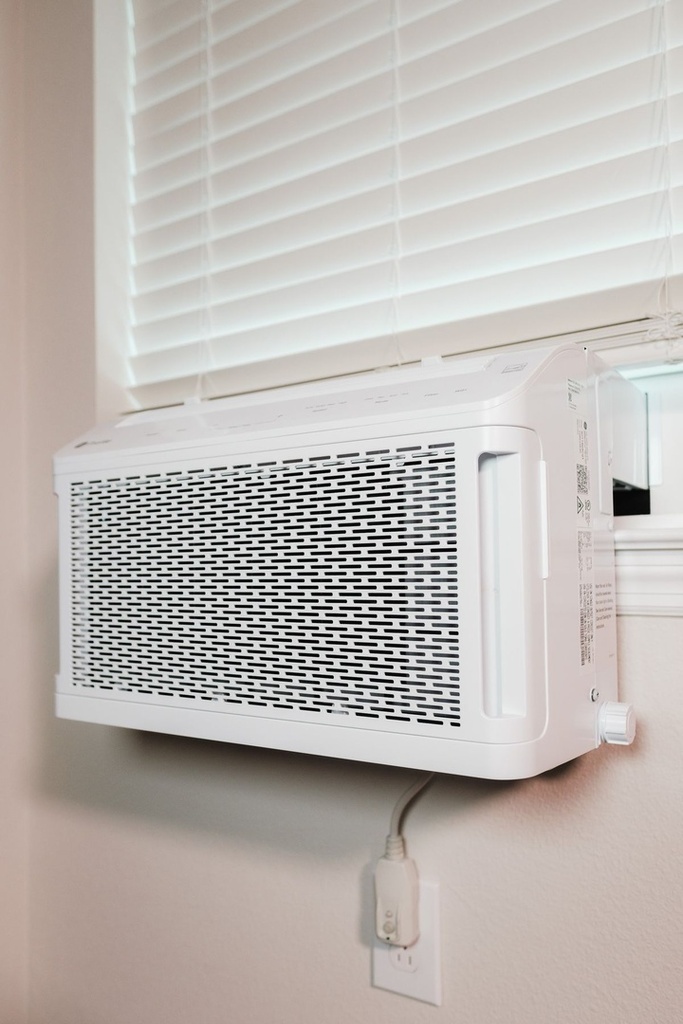
High-Efficiency AC Installation for a 1970s Mueller Bungalow
Mueller, TX
HVAC Demo replaced a failing 18-year-old central air conditioner with a properly sized high-efficiency system for a single-story bungalow near Mueller.
Outcome: The home now holds 74 degrees through the hottest part of the afternoon without the system running continuously. The homeowner reported a noticeably lower electric bill the first full month after installation and said the house felt more even from room to room. Static pressure readings came in within the manufacturer's recommended range, and the new equipment registered for a 10-year parts warranty. The client called the process straightforward and appreciated the load calculation being explained before any equipment was ordered.
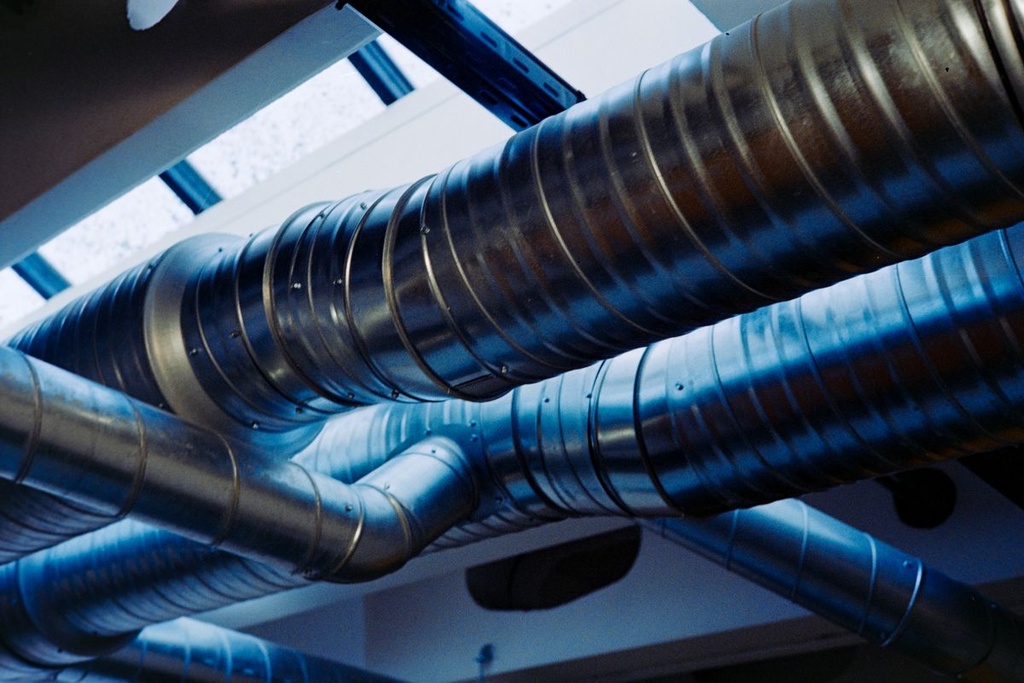
Full Ductwork Replacement in a Cedar Park Ranch Home
Cedar Park, TX
HVAC Demo replaced crushed and disconnected flex duct throughout a Cedar Park ranch home to fix uneven temperatures and high summer energy use.
Outcome: Temperature variance between the front and back of the house dropped to about two degrees, which the homeowner confirmed over several weeks of summer weather. Measured duct leakage fell by more than half, and the runtime on the existing air conditioner decreased noticeably during peak hours. The homeowner remarked that the back bedrooms finally felt like part of the same house. The attic ductwork was photographed before and after so the client could see exactly what had been corrected.
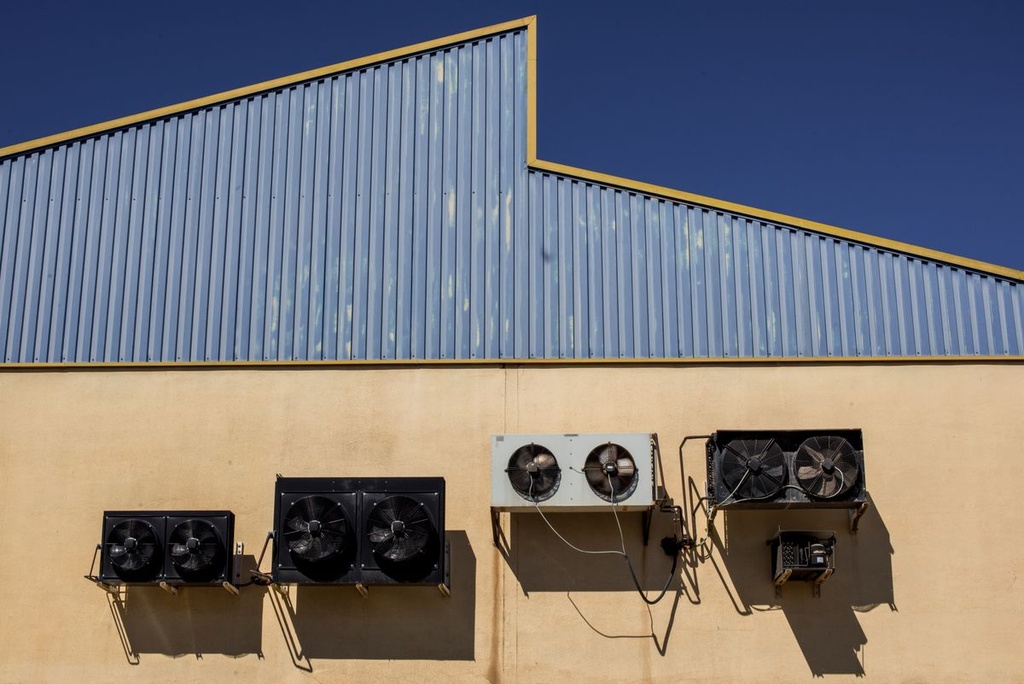
Commercial HVAC Retrofit for a South Congress Retail Building
South Congress, TX
HVAC Demo retrofitted a multi-tenant retail building on South Congress with new split systems and a controls overhaul to resolve persistent comfort complaints.
Outcome: Tenant comfort complaints dropped to zero over the following cooling season, and both businesses stopped using portable heaters and fans. The property manager can now see runtime and setpoints for every unit remotely and address issues before they become complaints. Building energy use per square foot declined compared to the prior year despite a hotter summer. The owner has since asked HVAC Demo to quote a similar retrofit on a second property.
Customer Stories
Date: 2024-07-13 Text: Our AC quit on a 102 degree Saturday. Maria got us on the schedule same day and Diego arived in about two hours. He found a bad capacitor, had one on the truck, and we had cool air by dinner. Total was $185, no surprises. First time using HVAC Demo and I'm impressed.
Date: 2024-05-22 Text: I've used HVAC Demo for yearly tune-ups for four years. Always on time, clean, and they explain the filters and drain line without pushing extras. Jorge is great. Highly recommend for regular maintenance.
Frequently Asked Questions
Honest answers from HVAC experts — not a sales team.
Service Areas
Ready to Work with the Experts?
Three ways to get started — choose what works for you.